
Learn More About...


Who are Fawns?
We're the longest-established school playground equipment provider around - we know a thing or two about playground design.
With family-ran roots, schools, MATs, nurseries and parish councils trust us to create outdoor playgrounds with a purpose.
£18 Million Playground Fund: What Local Authorities Need to Know
The government has now confirmed £18 million of funding through the Playground Fund to support up to 200 playground projects across England. The funding, which will be delivered over two financial years, will help selected local authorities create new playgrounds and improve existing play spaces in communities where access to high-quality play provision is most needed.
The Playground Fund is a significant step towards putting children’s play and public play spaces back in the spotlight.
What the £18 million covers
The £18 million Playground Fund will support up to 200 playground projects across England over two financial years.
The funding can be used to create new playgrounds as well as improve and enhance existing play spaces. Its focus is on increasing access to high-quality, accessible and inclusive opportunities for children to play, particularly in communities where existing provision is limited.
The programme will help selected local authorities invest in play spaces that better meet the needs of local children, families and communities.
Who is eligible for the Playground Fund?
The £18 million Playground Fund is now being delivered through 66 selected local authorities in England.
The funding is non-competitive and is not available through an open application process for all councils, parish councils or community organisations. The 66 recipient local authorities were selected based on levels of child income deprivation and the quality and accessibility of existing playground provision.
Each selected authority is eligible to receive £270,000 across the 2026/27 and 2027/28 financial years, covering both capital and revenue costs.
The government expects the programme to support up to 200 playground projects across England, helping to create new play spaces and improve or enhance existing playgrounds in areas of greatest need.
What can the funding be used for?
The Playground Fund can support the creation of new playgrounds as well as the improvement and enhancement of existing play spaces.
Government guidance divides the funding between capital and revenue expenditure. Each selected local authority can receive £120,000 in capital funding and £15,000 in revenue funding in each of the two financial years.
Projects are expected to focus on creating high-quality, accessible and inclusive spaces that respond to the needs of local children, families and communities.
Local authorities are also expected to consider:
- Meaningful engagement with children, families and local communities
- Accessible and inclusive play opportunities
- Long-term sustainability and maintenance of the playground
- How the project contributes to wider local play provision
- Needs of children living in areas with limited access to good-quality play spaces
The funding is therefore about more than simply replacing old equipment. The government is encouraging authorities to consider how playground improvements can create better, more inclusive and sustainable opportunities for children to play.
The current picture: Why playgrounds matter
How children play today
The British Children’s Play Survey looked at families with primary aged children across the country. It found that children play for just over three hours a day on average, but only about half of that time is outdoor play.
Playgrounds and green spaces are some of the most common places for children to play when they are away from home, supporting adventurous play they aren’t able to experience at home.
Interestingly, the same research shows that children today are allowed out alone later than previous generations. With parent concerns about traffic and safety strongly shaping where and how they play outdoors.
Putting extra responsibility and importance on every area having access to safe local play parks that parents feel they can trust.
Where play spaces are missing
A national mapping study identified around 33,700 playgrounds in England. The pattern across many large towns and cities shows that more deprived neighbourhoods often have fewer, smaller and more crowded playgrounds.
Children in the most deprived areas also often live further from their nearest playground than those in less deprived areas. London is a partial exception, but overall, the picture is one of uneven access and play opportunities.
Research from the University of Reading and Play England estimates that more than two million children under nine in England do not live within a ten-minute walk of a playground.
The same report highlights that children’s outdoor play time has roughly halved within a single generation. Nowadays, only about one in four children regularly play in the street, compared with around four in five adults who did so when they were young.
With busier roads, changing communities and greater access to digital entertainment, the opportunities children have to play independently outdoors have changed significantly over time.
How playground funding fits into the bigger story
This isn’t the first time local community parks have been in the funding spotlight. In comparison to the proposed 2008 National Play Strategy, £18 million looks a modest amount.
The 2008 National Play Strategy (led by Ed Balls and Andy Burnham with their responsibilities for children and families and culture, media and sport) promised over £200 million for new and improved play spaces in England. However, the strategy did not align with the priorities of the coalition government elected in 2010 and was subsequently discontinued.
This makes it particularly important for local authorities to plan carefully and make the most of the investment available. Thoughtful playground design, durable equipment and inclusive play opportunities can help ensure that funding creates high-quality play spaces that continue to meet community needs for years to come.
Implications for local authorities and parish councils
Focusing on safe and high-quality play spaces
The Playground Fund aims to improve children and young people’s access to high-quality, accessible and inclusive playgrounds, particularly in communities where child income deprivation is high and existing play provision is weaker.
For local authorities and parish councils, that points to investment in high-quality, durable playground equipment that’s designed to be inclusive and enjoyable.
Any playground project should also consider relevant safety standards, including BS EN 1176 for playground equipment and BS EN 1177 for impact-absorbing playground surfacing.
Inclusive play park design
Thoughtful playground design can help remove barriers to play for children of different ages and abilities. This may include step-free access, space for parents and carers, a mix of sensory, physical and social play opportunities, and layouts that allow children of different ages to enjoy the space together.
Well-designed inclusive play spaces can help create more opportunities for children to play, interact and participate in ways that suit their individual needs.
Planning for the long term
Capital from government funding transforms a site, but long-term costs and necessary maintenance decide how sustainable the change is. Choosing play equipment and playground flooring designed to be durable is a must.
Playground providers that achieve exciting play space design whilst only using the best-quality materials are understandably the first choice for local authority decision makers.
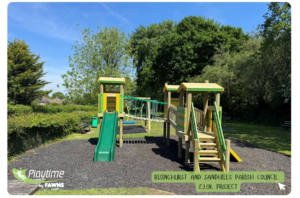
How Playtime by Fawns can support Playground Fund projects
The £18 million Playground Fund has now moved from announcement into delivery, with 66 local authorities selected to receive funding for new and improved playground projects across England.
For councils planning their projects, this is an opportunity to look beyond simply replacing ageing equipment and consider how investment can create inclusive, engaging and sustainable play spaces that meet the needs of local children and communities.
With more than 35 years of experience, Playtime by Fawns has designed and installed outdoor play spaces for schools, local authorities, parish councils and community organisations across the UK.
Whether you are refurbishing an existing playground or planning a completely new community play space, our team can help you explore practical design options, inclusive play opportunities, durable equipment and surfacing, and long-term considerations for your site.
If your local authority has received Playground Fund investment, now is the time to start turning your plans into a deliverable playground project. Get in touch with our team to discuss your requirements and arrange a free playground design consultation.

More articles you’ll like:
Legal and statutory requirements for outdoor play in England (EYFS to secondary)
Playground Ideas for Primary Schools: Design Ideas That Solve Real School Challenges
Who are Fawns?
We're the longest-established school playground equipment provider around - we know a thing or two about playground design.
With family-ran roots, schools, MATs, nurseries and parish councils trust us to create outdoor playgrounds with a purpose.


Other Blog Posts

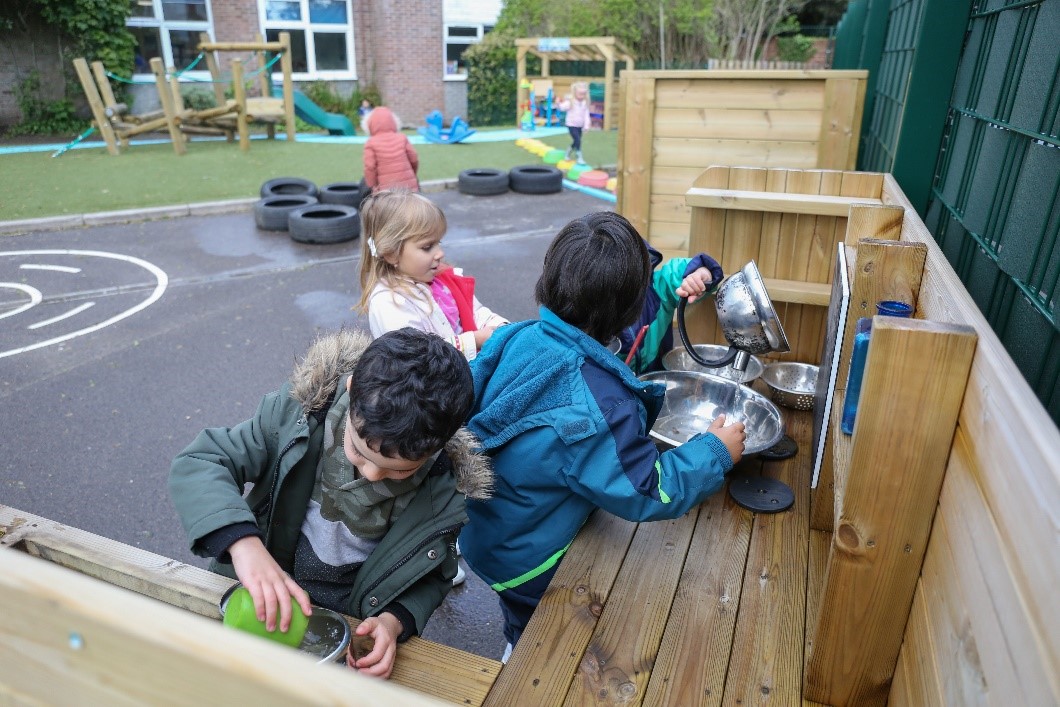

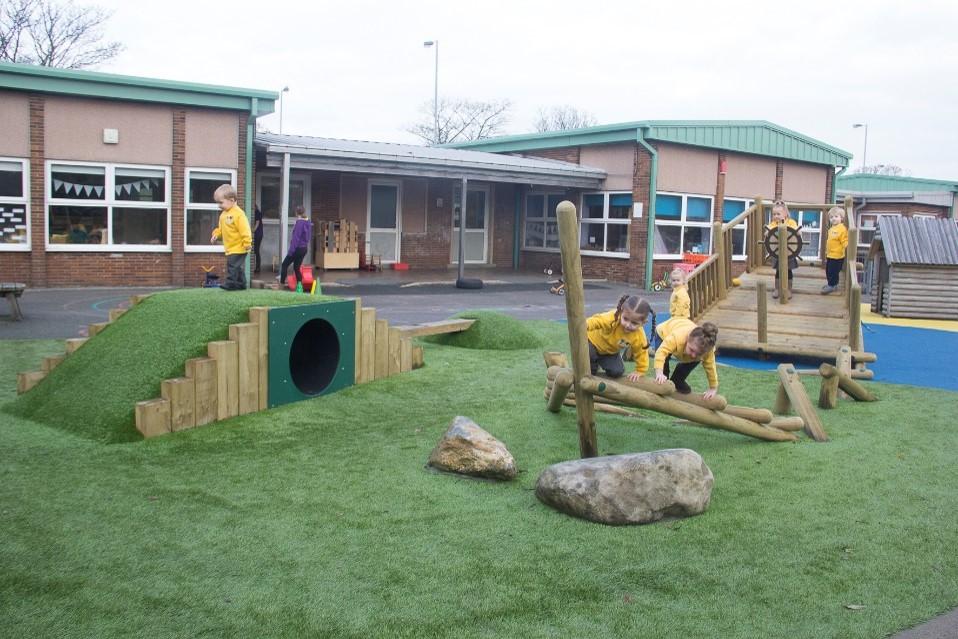


We are the one-stop-solution for outdoor playground equipment for schools and parks across the UK.
Based in Hampshire, we pride ourselves on delivering high-quality, durable and innovative school playgrounds.
Fawns Recreational Services Limited - Company Registration Number: 03863973
Site Links
Contact
- 01252 515 199
- sales@fawns.co.uk
- Beech House, Ancells Business Park, Fleet, Hampshire, GU51 2UN

© Playtime By Fawns | 2026 website developed & maintained by digidoda
This site is protected by reCAPTCHA and the Google Privacy Policy and Terms of Service apply.