Learn More About...


Who are Fawns?
We're the longest-established school playground equipment provider around - we know a thing or two about playground design.
With family-ran roots, schools, MATs, nurseries and parish councils trust us to create outdoor playgrounds with a purpose.
DfE Education Estates Strategy 2026: What Schools Need to Know
In February 2026, the Department for Education published the Education Estates Strategy: A Decade of National Renewal.
The strategy sets out a 10-year plan backed by £38 billion to transform the condition, design and management of England’s 22,200 schools and colleges.
In this blog, we summarise what the DfE Education Estates Strategy proposes. Focusing on what this means for school’s outdoor spaces, SEND provision and planned funding attached to both.
Why now?
After years of underinvestment, stop-start capital funding and reactive patch and mend maintenance many school estates are in a poor condition. Of course, this 10-year plan will span the next general election. Whether future government dynamics will continue with the 10-year plan, time will tell.
The DfE’s data analysis found:
- 43% of the school estate by size was built between 1941 and 1980
- 32% of schools report overheating in at least one building
- 38% of secondary school buildings are at high risk from surface water flooding
- Without action, climate change could cost up to 12 lost learning days per year by 2100
- RAAC (Reinforced Autoclaved Aerated Concrete) is still present in schools across England
What the strategy covers
The plan is built around three pillars:
- Manage the estate: setting standards for how schools should proactively look after their buildings
- Improve and renew the estate: moving away from reactive maintenance towards longer-term, planned investment
- Build and rebuild the estate: continuing to rebuild the worst-condition schools while creating new places where they’re needed
Underneath those three pillars, here’s a summary of everything the strategy proposes.
A summary of the Education Estates Strategy 2026
- A new digital platform, Manage Your Education Estate, launched February 2026, bringing guidance, funding and data into one place
- Annual estate management returns required from schools from autumn 2026
- A new Renewal and Retrofit Programme worth £710 million to 2029-30, for buildings that need more than maintenance but don’t need a full rebuild
- Reforms to the Condition Improvement Fund from autumn 2028 so schools no longer need to submit full bids
- £20 billion committed to the School Rebuilding Programme through to 2034-35, with 250 more schools to be selected by early 2027
- A new ‘garden school’ design standard for all DfE-built and rebuilt schools, with improved school outdoor spaces and access to nature built in from the start
- £3.7 billion for high needs capital to create 60,000 new specialist SEND places, largely within mainstream schools
- New guidance on inclusive adaptations to existing school buildings, including school outdoor spaces, published spring 2026
- £400 million for school-based nursery places, particularly in areas of disadvantage
- £325 million for digital connectivity, with all schools expected to meet core technology standards by 2030
- A decision-making framework for surplus school space, published autumn 2026
- A commitment to make all schools RAAC-free by 2029 (if not in the rebuild programme)
The four standards every school estate should meet
The strategy sets out four principles that school buildings and spaces will be measured against going forward.
- Safe: structurally sound and meeting health and safety requirements
- Suitable: flexible enough for modern education, including SEND and early years
- Sustainable: built or adapted with climate resilience and nature in mind
- Sufficiently sized: the right amount of space, in the right places, from nursery through to post-16
The strategy specifically references school outdoor spaces within the suitable and sustainable categories, recognising the links with outdoor learning and improved motivation and attendance, including the correlation between accessing nature and improved outcomes, especially for SEND pupils.
How the strategy fits with recent government policies
The Education Estates Strategy doesn’t sit in isolation. A few other policies published in the last year are heading in the same direction, and it’s worth knowing how they connect.
The 2025 National Youth Strategy commits £350 million over four years to youth facilities and the education estates strategy references it directly, suggesting surplus school space could be used for youth provision outside hours.
The 2025 Autumn Budget ring-fenced £18 million for community play parks, targeting the same deprived areas the estates strategy focuses its Renewal and Retrofit pilots on. Different pots, but often the same locations.
The 10 Year Infrastructure Strategy and the SEND and Alternative Provision Improvement Plan both sit behind what’s proposed in the estates strategy, the first as the wider asset management framework, the second as the policy driver behind the expansion of inclusion bases and the new approach to SEND outdoor provision.
When the SEND reform whitepaper is released, this will give us more information on how these will tie together.
The garden school concept
The biggest shift for school outdoor spaces in the education estates strategy is the introduction of new DfE design specifications for all new and rebuilt schools.
The DfE is calling these ‘garden schools’. The idea is that outdoor provision gets designed in from day one, not worked around the edges of the building once everything else is in place.
The new specifications ask for:
- A variety of outdoor areas, mixing quieter spaces with more active ones
- Better connection between indoor and outdoor facilities
- Nature access built into the design, not added later
- More space for sport and physical activity outdoors
- Biodiversity considered as part of the site layout
- Outdoor areas that work for all pupils, including those with SEND, from the start
The DfE has also updated its internal layout standards to free up more usable outdoor space as part of these changes. Although these are a part of the strategy itself, they are yet to be published.
For now, these specifications are mandatory for schools in the School Rebuilding Programme and any new school built directly by the DfE.
The strategy makes them available to the wider sector too, and the overall direction suggests school outdoor spaces will increasingly be part of how a well-run estate is assessed.
SEND and outdoor spaces
SEND is a big part of the education estates strategy, and outdoor environments come up directly in it.
The DfE is expected to put at least £3.7 billion into high needs capital between 2025-26 and 2029-30 to create 60,000 new specialist places. Most of this will come through what the strategy is calling inclusion bases in mainstream schools, replacing the previous terms SEN unit and resourced provision.
New guidance on adaptations for SEND pupils is due in spring 2026, covering both existing buildings and new builds. For outdoor spaces specifically, it includes:
- Direct outdoor access from SEND and inclusion spaces
- Sensory-appropriate outdoor environments, with thought given to acoustics, lighting and ventilation
- Quieter outdoor areas for sensory regulation
- Nature access built into the provision rather than kept separate
The strategy draws on Natural England research showing that for some children with disabilities, school is where they’re most likely to spend time outdoors.
The funding breakdown
Here’s what’s been committed that’s most relevant to schools thinking about their outdoor estate:
- £20 billion: School Rebuilding Programme to 2034-35. Nominations for the next 250 schools close in April 2026
- Almost £3 billion per year by 2034-35: capital maintenance funding, rising from £2.4 billion in 2025-26
- £710 million: Renewal and Retrofit Programme to 2029-30, piloting from April 2026 in the East Midlands, Yorkshire and the Humber, and the South East, aiming to be national by 2029
- £3.7 billion: high needs capital for SEND places and inclusive adaptations (although more information will be shared when the SEND reforms white paper’s published)
- £400 million: for school-based nursery developments
Thinking about your school’s outdoor spaces?
Whether you’re keeping an eye on a School Rebuilding Programme nomination, thinking about what inclusive outdoor provision could look like for your SEND pupils, or just planning what your playground needs next, we’re happy to chat.
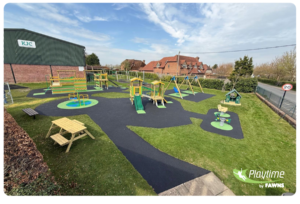
At Fawns, we’ve been designing and building school outdoor spaces for over 35 years, from trim trails and active play equipment to SEND-inclusive areas, outdoor classrooms and full playground transformations.
We’re Made in Britain, and we handle everything from the first design visit through to installation and aftercare.
Get in touch with our friendly team to book your free playground design consultation.

More articles you’ll like:
Playground Ideas for Primary Schools: Design Ideas That Solve Real School Challenges
Outdoor play statutory requirements for schools
Using Your Playground As Evidence For Ofsted Inspections In 2026
Who are Fawns?
We're the longest-established school playground equipment provider around - we know a thing or two about playground design.
With family-ran roots, schools, MATs, nurseries and parish councils trust us to create outdoor playgrounds with a purpose.


Other Blog Posts

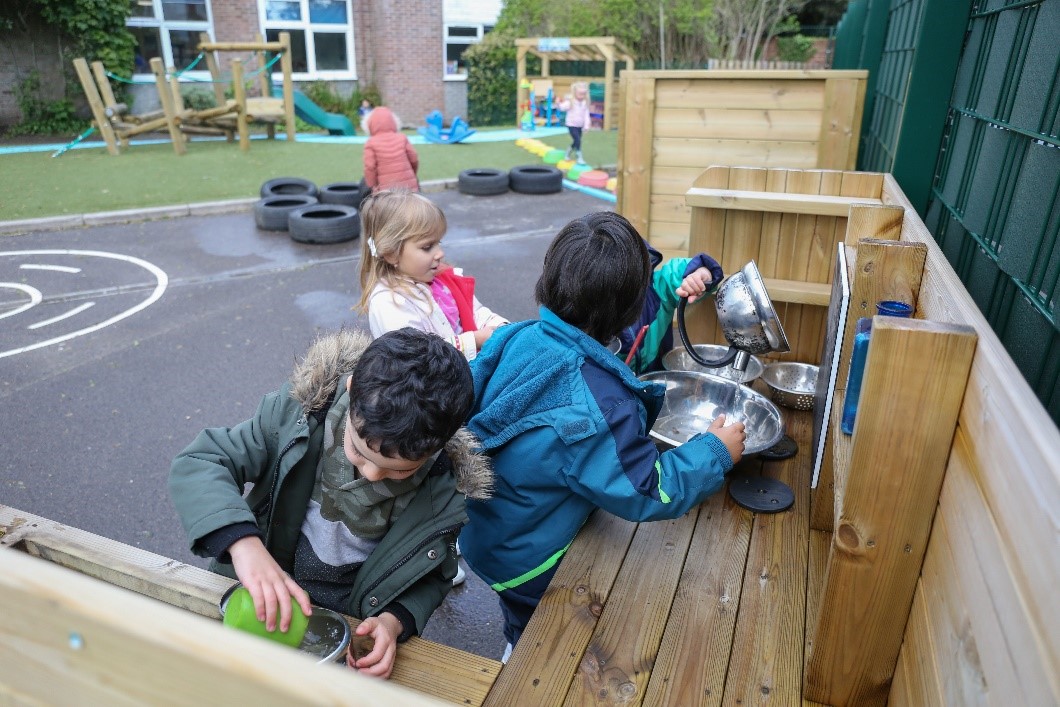

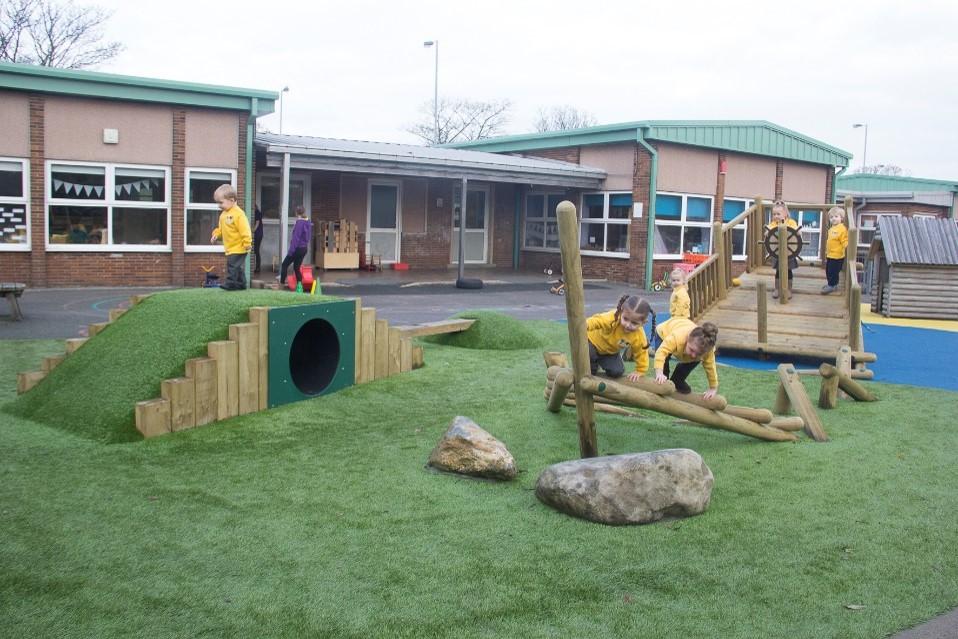


We are the one-stop-solution for outdoor playground equipment for schools and parks across the UK.
Based in Hampshire, we pride ourselves on delivering high-quality, durable and innovative school playgrounds.
Fawns Recreational Services Limited - Company Registration Number: 03863973
Site Links
Contact
- 01252 515 199
- sales@fawns.co.uk
- Beech House, Ancells Business Park, Fleet, Hampshire, GU51 2UN

© Playtime By Fawns | 2026 website developed & maintained by digidoda
This site is protected by reCAPTCHA and the Google Privacy Policy and Terms of Service apply.