
Learn More About...


Who are Fawns?
We're the longest-established school playground equipment provider around - we know a thing or two about playground design.
With family-ran roots, schools, MATs, nurseries and parish councils trust us to create outdoor playgrounds with a purpose.
How to Create an Inclusive Playground
Play is a fundamental part of childhood, and an inclusive playground ensures that every child, regardless of ability, can take part.
Play is how children learn to build relationships, solve problems, and explore the world around them. But for many children with Special Educational Needs and Disabilities (SEND), non-inclusive playgrounds can become places of exclusion instead of joy.
For school leaders and SENDCOs, inclusion isn’t just a policy, it’s a mindset. And nowhere is that mindset more visible than in the playground. While it’s tempting to think that creating an inclusive outdoor space requires expensive new equipment, the truth is that many school playgrounds already have the bones, it just requires a shift in thinking.

Why Inclusion in Play Matters
Research consistently shows that inclusive play has wide-reaching benefits. For children with SEND, it offers vital opportunities to:
- Build social communication skills
- Develop motor planning and sensory regulation
- Strengthen confidence and independence
- Experience belonging in the wider school community
But it’s not just SEND pupils who benefit. Inclusive playgrounds foster empathy, peer support, and cooperative play. Creating a more cohesive and understanding school culture.
However, most traditional playgrounds are designed with neurotypical, physically able children in mind, leaving many SEND pupils on the edges, both physically and socially.
So how can you adapt your playground to avoid this happening?
Creating an Inclusive Playground
Here’s how you can reimagine and repurpose your current space to create a play environment where every child can thrive, especially those with SEND.

1. Reclaim the Edges: Zones of Comfort and Purpose
Most SEND children don’t run straight to the centre of the playground; they head to the edges. You can use this insight to intentionally design the boundary as a space for sensory regulation, connection, and exploration.
Recommended Ideas:
- Heavy Work Stations: Use crates, tyres, resistance bands, or sandbags to build DIY “workouts” that provide proprioceptive input. Beneficial for sensory processing and emotional regulation.
- Tactile Pathways: Create sensory walks using recycled rubber mats, textured tiles, artificial grass, or even rope lines. Sensory Pathways are an excellent addition for a sensory play space.
- Balance Support: Railings or handholds added along fences or walls for children who need balance support or grounding during transitions.
🛠 SENDCo Tip: Run a short audit, walk the playground with a child who typically stays on the edges and ask, “What do you wish this space had for you?”

2. Signage That Teaches and Supports
Forget generic playground signs. You can use signage to scaffold independence, social interaction, and emotional regulation.
Suggested Signage:
- Play Boards: Visual instructions for games (like “Duck, Duck, Goose” or “What’s the Time, Mr. Wolf?”), helping children with ASC or communication needs to join in independently.
- Feelings Traffic Lights: Encourage self-awareness and offer children options for choosing spaces based on their emotional state.
- Makaton-Friendly Labels: Label zones such as “Quiet Zone,” “Let’s Play,” or “Ask a Friend” using both symbols and words to support inclusive communication.
🎨 SENDCo Tip: Involve pupils in co-creating signs. They’ll use them more readily if they’ve helped design them.
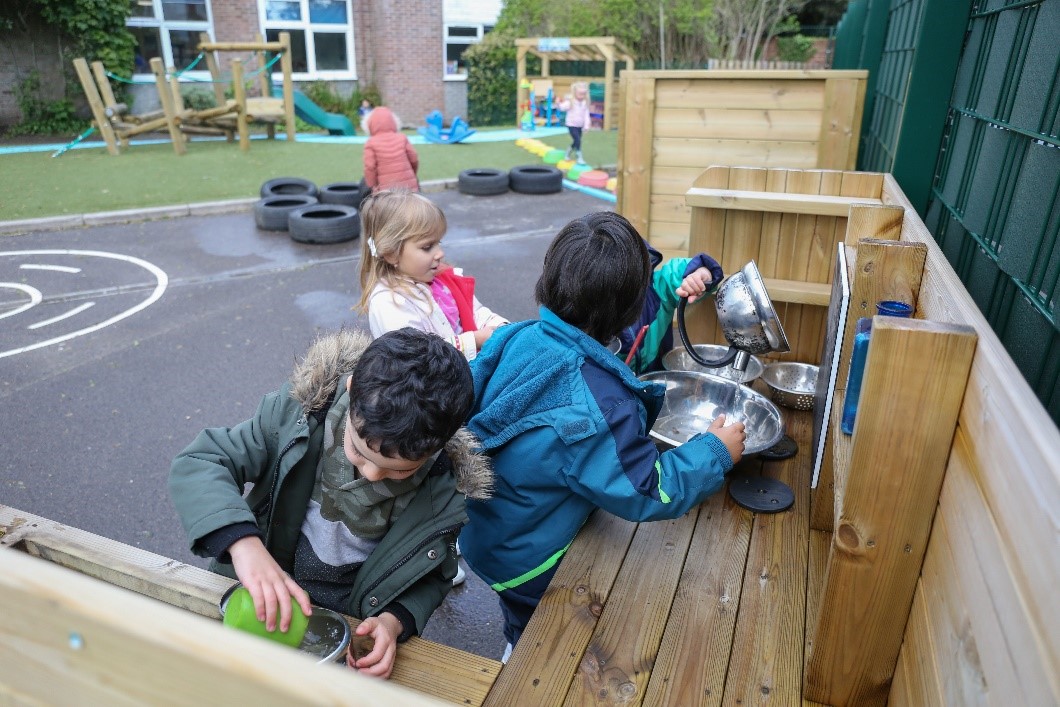
Our Activity Panels offer a diverse range of engaging activities specifically designed to be suitable for all children. These panels provide stimulating and accessible play experiences for a wide range of ages and abilities.

3. Flexible Micro-Zones Using What You Already Have
Don’t think big, think small, purposeful zones that shift depending on the day or need.
Ideas for Micro-Zones:
- Shade Sails or Canopies: Use these as calming spaces, mindfulness zones or more sociable activities such as story circles.
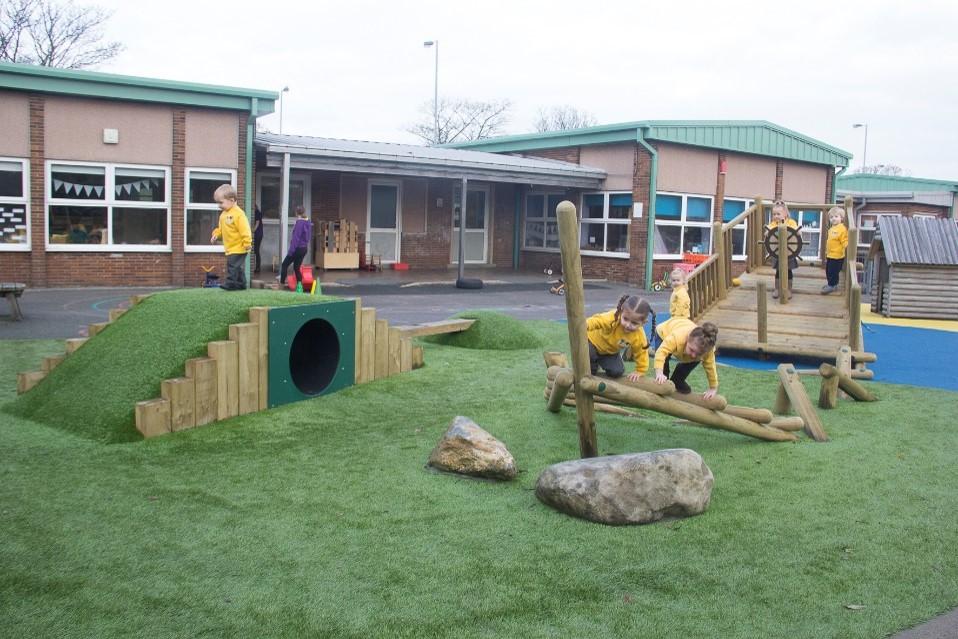
- Loose Parts Play: Provide trolleys with fabric, Velcro, tubes, wooden blocks. Open-ended materials promote creativity and allow neurodivergent children to explore in non-linear ways. Physical Development Blocks would be a fantastic resource for this type of play. Even the use of Moveable Timber Trails can promote physical development and encourage open-ended play.
- Repurpose Existing Structures: A climbing frame becomes a pirate ship. A bench becomes a puppet theatre. Add chalkboards, fabric, or storytelling props to reimagine spaces through play. Role Play Houses are excellent resources as they can be easily transformed into anything the children imagine. Practitioners can also enhance the experience by ‘dressing up’ the space accordingly.
🔄 SENDCo Tip: Rotate zones based on need e.g., use Friday playtimes for “Friendship Circles” or Monday mornings for “Regulation Zones”.

4. Incorporate Sensory and Motor Opportunities in Subtle Ways
Not all-inclusive features have to look like “special equipment.” Many can be integrated discreetly and used by all children.
Integrated Ideas:
- Balance and Coordination Paths: Use colourful playground line markings or timber trails to offer movement challenges that support vestibular input.
- Fidget Benches: Attach resistance bands, Velcro strips, or clipboards to seating areas where children can access calming tools.
- Wall Work Stations: Install vertical boards with textures, handles, or interactive panels. Ideal for upper body strength and fine motor practice.
⚙️ SENDCo Tip: Map existing playground activities against pupils’ EHCP targets—identify gaps where play could support therapeutic goals.
5. Leadership-Level Impact: Reframing Supervision and Training
Inclusive play isn’t just about equipment; it’s about adult mindset and facilitation.
Actions for School Leaders and SENCos:
- Train Lunchtime Supervisors: Offer training on recognising SEND needs during play and practising “invisible inclusion” (knowing when to support, when to observe).
- Play Champions: Appoint children, both SEND and non-SEND, to observe, feedback, and co-design inclusive games and zones.
- Child-Centred Audits: Walk your outdoor space with a diverse group of children. Ask: “Where do you feel safe? Left out? Included?”
💬 SENDCo Tip: Incorporate inclusive play into staff performance goals or school improvement plans to elevate its priority.
 An inclusive playground isn’t always shiny or expensive, it’s thoughtful, responsive, and evolving. By using your existing space in creative ways, and listening closely to what SEND children need, you can unlock hidden potential in your school grounds.
Ready to Make Your Playground More Inclusive?
If your existing playground could benefit from an update, or even just some thoughtful additions to become more inclusive for all children, we’re here to help. Simply complete our Contact Us Form or send an email to sales@fawns.co.uk.
Our team will be happy to discuss your school’s needs and explore creative, cost-effective solutions.
More Blogs You’ll Like
Our Guide to Maximising Outdoor Spaces
Who are Fawns?
We're the longest-established school playground equipment provider around - we know a thing or two about playground design.
With family-ran roots, schools, MATs, nurseries and parish councils trust us to create outdoor playgrounds with a purpose.


Other Blog Posts




We are the one-stop-solution for outdoor playground equipment for schools and parks across the UK.
Based in Hampshire, we pride ourselves on delivering high-quality, durable and innovative school playgrounds.
Fawns Recreational Services Limited - Company Registration Number: 03863973
Site Links
Contact
- 01252 515 199
- sales@fawns.co.uk
- Beech House, Ancells Business Park, Fleet, Hampshire, GU51 2UN

© Playtime By Fawns | 2026 website developed & maintained by digidoda
This site is protected by reCAPTCHA and the Google Privacy Policy and Terms of Service apply.