
Learn More About...


Who are Fawns?
We're the longest-established school playground equipment provider around - we know a thing or two about playground design.
With family-ran roots, schools, MATs, nurseries and parish councils trust us to create outdoor playgrounds with a purpose.
What the National Youth Strategy Means for Outdoor Youth Spaces and Local Councils
The National Youth Strategy sets out a long-term vision for improving the opportunities, support and spaces available to young people across England. Published in December 2025, Youth Matters: Your National Youth Strategy is a ten-year strategy designed to shape youth policy and investment through to 2035.
For local authorities, parish councils and organisations responsible for parks, community facilities and public spaces, the strategy provides an important direction of travel.
Young people need more than activities and services. They also need safe places to go, opportunities to spend time with others and communities where they feel welcome and included. This has important implications for the way councils plan parks, playgrounds and outdoor youth spaces.
In this article, we look at what the National Youth Strategy means for local councils in 2026/27 and how investment in outdoor spaces can help create places that teenagers and young people genuinely want to use.
As the strategy moves from publication towards implementation, local areas have an opportunity to consider how their existing youth provision and public spaces support these ambitions.
Why youth spaces remain a priority in 2026/27
The National Youth Strategy was developed against a backdrop of significant changes to youth provision across England.
Over the last 15 years there have been some big changes in youth services in England:
- Local spending on youth services in England fell by 73%
- More than 1,000 youth centres closed
- More than 4,500 youth worker roles were lost
Parks, community facilities, youth clubs and other public spaces can provide opportunities to socialise, be active, take part in activities and feel connected to their local community. The challenge for councils is not simply providing a space. It is creating spaces that feel relevant, welcoming and accessible to the young people they are intended to serve.
This is where the National Youth Strategy has particular relevance for local planning in 2026/27.
The National Youth Strategy is based on the views of more than 14,000 young people aged 10 to 21, and up to 25 for young people with disabilities. Their experiences and priorities have helped shape the strategy, reinforcing the importance of listening to young people when planning the services, activities and spaces intended for them.
Three priorities for local councils and youth provision
Local decision-making
Youth provision should reflect the needs of local communities rather than relying solely on a one-size-fits-all approach.
Joined-up planning
Councils, schools, youth organisations, health services and community groups are encouraged to work together to improve opportunities for young people.
Young people shaping decisions
The strategy places greater emphasis on listening to young people and involving them in decisions about the services, activities and spaces intended for them.
For councils planning new or improved outdoor facilities, these priorities suggest that young people should be involved early in the process, with investment based on genuine local need and connected to wider youth provision.
What Chapter 2 means for local youth provision
Chapter 2 of the National Youth Strategy focuses on the places young people can go and the things they can do within their communities.
The 2025 National Youth Strategy is split into two chapters.
- Chapter 1: People who care
- Chapter 2: Places to go and things to do
A summary of Youth Matters Strategy: Chapter 2
Chapter 2 of the National Youth Strategy focuses on “Places to go and things to do” for young people.
It sets out five actions:
- Action 4: Richer lives (enrichment activities)
- Action 5: Good work (education and skills)
- Action 6: Keeping young people safe (community and transport safety)
- Action 7: Places to go to (youth spaces)
- Action 8: Health and wellbeing (mental and physical health support)
For those involved in the improvement of play parks, play park equipment and youth spaces, Action 7 is where investment in physical environments is set out. While Action 4 shapes expectations for how often and how meaningfully those spaces are used.
Action 4: Richer lives
Action 4 focuses on widening access to enrichment activities. With a stated aim to halve the participation gap between disadvantaged young people and their peers by 2035.
The strategy and associated commitments include:
- The Richer Young Lives Fund, worth over £60 million over three years. Supporting grassroots youth work and activities in underserved areas, with young people involved in decisions about how funding is used.
- More than £600 million over three years for the Holiday Activities and Food programme. Supporting activities and food provision during school holidays.
- A target to expand Cadet Forces by 30% by 2030, particularly in areas with higher deprivation and larger numbers of young people not in education, employment or training.
- A focus on reducing inequalities in access to sport, arts, music and creative activities through organisations including Sport England and Arts Council England.
- A commitment to strengthen physical education, school sport and wider enrichment opportunities, including outdoor and adventure activities.
- £22.5 million over three years for up to 400 schools in the most deprived areas to help meet enrichment benchmarks.
- The £132.5 million Every Child Can programme, running from 2024 to 2028. Aiming to increase access to enrichment opportunities in culture, sport and outdoor activities.
Action 7: Places to go to (youth spaces, parks and access to nature)
Action 7 focuses on the physical spaces young people can use outside home and school, including youth clubs, community centres, libraries, parks and other shared facilities.
Including youth clubs, community centres, libraries, parks and other shared facilities.
£350 million over four years through the Better Youth Spaces programme to refurbish or build up to 250 youth facilities in areas identified as needing them most. Including funding for equipment and refurbishments so they are designed specifically for young people.
Over £400 million over four years for local community sport facilities. With a stated focus on under-represented groups such as women and girls, young people with SEND and those in disadvantaged areas.
£150 million in 95 places via the Pride in Place Impact Fund to support shared spaces such as green spaces and play areas, local high streets and wider public spaces.
A commitment to bring youth services together in existing spaces, such as libraries, religious buildings, shopping centres and school sites outside teaching hours. And to work with local authorities and community providers to secure and publicise youth facilities according to local need.
A stated aim that everyone should have access to a green or blue space within walking distance of home. Supported by an Access to Nature Green Paper and work with partners on outdoor learning, youth-friendly parks, outdoor spaces, play and residentials.
Transport measures, including long-term investment in local transport networks. Maintaining bus services and extending the £3 bus fare cap, alongside a proposal to allow youth spaces funding to be used to address transport barriers. For example through grants for minibuses or mobile youth services.
In simple terms, that is a lot of focus on places where young people can spend time, be active and feel safe. It reaches beyond traditional indoor youth clubs into parks, multi-use games areas, skate and wheeled sports, outdoor gyms, informal hang out spaces and routes that make it easier to get there.
What the National Youth Strategy means for outdoor youth spaces
For local authorities and parish councils, the National Youth Strategy provides an opportunity to think differently about the outdoor youth spaces and community facilities available to young people.
Parks and public spaces have traditionally focused heavily on provision for younger children. However, the strategy recognises the importance of providing places where older children, teenagers and young adults can also spend time safely and feel part of their community.
Designing spaces for teenagers and young people
One of the clearest considerations for councils is whether existing parks provide enough for young people beyond traditional playground equipment. Teenagers may be looking for opportunities to be active, socialise, relax or take part in informal activities with friends.
Depending on the needs of the local community, this could include:
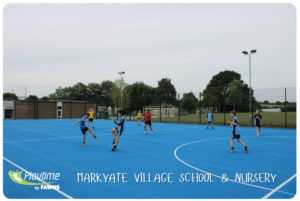
- Multi-use games areas and ball courts
- Outdoor fitness equipment
- Climbing and challenging physical activities
- Skate and wheeled sports facilities
- Social and informal meeting spaces
- Seating and sheltered areas
- Parks that support both organised and informal activity
The key is to avoid assuming that one type of facility will work for every community. Young people should be involved in helping to identify what is missing locally and what would encourage them to use the space.
Creating spaces where young people feel welcome
Providing facilities is only part of the challenge. A youth space also needs to feel safe, welcoming and appropriate for the people using it. Poor lighting, inaccessible layouts, limited seating or a lack of shelter can all influence whether young people choose to spend time in a space.
Good design should consider how people move through the site, where different activities take place and whether there is space for both active and quieter forms of socialising.
Involving young people in the design process
One of the strongest themes running through the National Youth Strategy is the expectation that young people should have a greater role in shaping the decisions that affect them. For councils, this creates an opportunity to involve local young people before plans are finalised.
Consultation could include schools, youth groups, sports clubs, community organisations and young people who may not currently use existing facilities. Understanding why a park is underused can be just as valuable as understanding what equipment people would like to see.
Planning for long-term use
Investment in a youth space should not be viewed as a short-term project.
Councils need to consider how facilities will be maintained, whether they will continue to meet changing community needs and how they connect with wider services and activities.
Durable equipment, flexible spaces and thoughtful layouts can help create facilities that remain relevant for years rather than quickly becoming underused.
Planning outdoor youth spaces with Playtime by Fawns
Parks and public spaces can provide opportunities for young people to be active, socialise, build confidence and feel connected to their local area. However, creating spaces that teenagers and young people genuinely want to use requires more than simply adding new equipment.
At Playtime by Fawns, we have worked with councils, schools and community organisations for over 35 years, designing outdoor spaces around the needs of the people who will use them.
Whether you are reviewing an existing park or planning a new outdoor space for young people, our team can help you explore:
- Outdoor fitness, climbing and physical activity opportunities
- Multi-age spaces that work for children, teenagers and families
- Social, informal and active areas within the same site
- Durable equipment and surfacing designed for long-term use
- Inclusive designs that help remove barriers to participation
Get in touch with our team today to discuss your project and arrange a free playground or outdoor space design consultation.

More articles you’ll like:
Does your Parish Council play space meet community need?
Importance of outdoor ‘play’ in secondary schools
5 ways to increase girls’ participation of physical activity
Who are Fawns?
We're the longest-established school playground equipment provider around - we know a thing or two about playground design.
With family-ran roots, schools, MATs, nurseries and parish councils trust us to create outdoor playgrounds with a purpose.


Other Blog Posts




We are the one-stop-solution for outdoor playground equipment for schools and parks across the UK.
Based in Hampshire, we pride ourselves on delivering high-quality, durable and innovative school playgrounds.
Fawns Recreational Services Limited - Company Registration Number: 03863973
Site Links
Contact
- 01252 515 199
- sales@fawns.co.uk
- Beech House, Ancells Business Park, Fleet, Hampshire, GU51 2UN

© Playtime By Fawns | 2026 website developed & maintained by digidoda
This site is protected by reCAPTCHA and the Google Privacy Policy and Terms of Service apply.