
Learn More About...


Who are Fawns?
We're the longest-established school playground equipment provider around - we know a thing or two about playground design.
With family-ran roots, schools, MATs, nurseries and parish councils trust us to create outdoor playgrounds with a purpose.
Risky Play in Early Childhood: How to Encourage Safe Outdoor Play
Whether it’s in a school playground, nursery garden or local park, outdoor play gives children valuable opportunities to explore their abilities, challenge themselves and discover new skills. An important part of this experience is risky play in early childhood, which allows children to test their limits, develop confidence and learn how to assess risks in a safe, supportive environment.
For young children, these experiences often begin through play. Climbing a frame for the first time, balancing along a trail or reaching the top of a slide can all present exciting challenges.
Although these activities might seem daunting to a young child, overcoming them can provide a real sense of achievement. The key is to give children opportunities to explore and challenge themselves while ensuring that risks are appropriate for their age, ability and environment.
So, how can schools, nurseries and parents encourage risky play while keeping children safe?

What is risky play?
Risky play involves activities that provide children with an element of uncertainty, excitement or challenge. It gives them opportunities to test their physical abilities, make decisions and learn to recognise their own limits.
Examples of risky play in early childhood include:
- Climbing: Exploring climbing frames, steps and low-level climbing components.
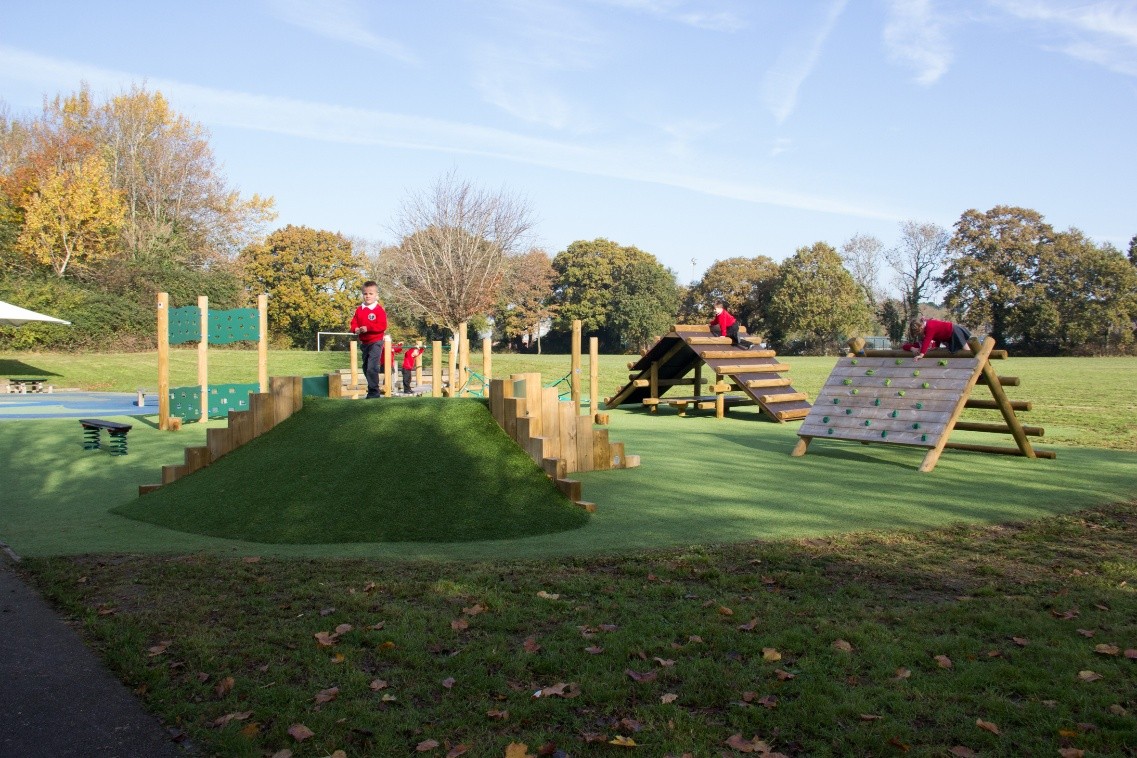
- Balancing: Walking along balance beams, stepping between platforms or navigating a trim trail.
- Moving at speed: Running, jumping and using slides or age-appropriate rotating equipment.
- Exploring heights: Climbing to different levels on suitable playground equipment.
- Testing physical abilities: Jumping between low platforms, navigating obstacles and trying unfamiliar movements.
The aim is not to expose children to unnecessary danger. Instead, it is to provide opportunities for manageable challenges where they can develop their skills and learn through experience.
1. Supervise children while encouraging independence
Adult supervision is important, particularly for younger children who are still developing their coordination, balance and awareness of potential hazards. However, supervising children does not always mean stepping in at the first sign of difficulty. Allowing children time to work through a challenge can help them develop independence and confidence.
For example, a child who is nervous about climbing a set of playground steps might benefit from an adult staying nearby, offering reassurance and allowing them to move at their own pace.
Rather than immediately lifting the child or completing the challenge for them, encourage them to take one step at a time and decide when they feel ready to continue. Adults should intervene when a child faces a serious or unmanageable danger, but giving children appropriate space to explore helps them develop their own judgement.
The benefit: Children can build confidence, practise decision-making and develop a greater understanding of their physical abilities.
2. Choose safe, age-appropriate playground equipment
The playground environment plays an important role in supporting risky play. Children need opportunities to climb, balance, move and explore, but the equipment must be appropriate for the children using it.
When visiting a local park or using a school playground, consider the following:
- Is the equipment suitable for the children’s ages and abilities?
- Is the impact-absorbing surfacing appropriate for the equipment and its fall height?
- Does the equipment appear well maintained, with no obvious damage or hazards?
- Is there enough space for children to move around without unnecessary collisions?
- Are there suitable opportunities for children with different physical and developmental abilities to participate?
Schools and nurseries should also ensure that playground equipment and impact-absorbing surfacing meet the British Standards of BS EN 1176/77
It is also important that playground equipment is inspected and maintained in line with relevant requirements and guidance.
For children, a well-designed playground provides opportunities to experience manageable challenges without relying on improvised or unsuitable equipment.
The benefit: A well-planned play environment allows children to explore their abilities while helping adults manage foreseeable risks.
3. Understand the difference between risk and danger
One of the biggest challenges for adults is knowing when to step in and when to let children continue. It is important to distinguish between a risk that offers a valuable learning opportunity and a hazard that could cause serious harm.
For example, climbing suitable playground equipment may challenge a child’s balance, strength and coordination. Instead of removing every challenge, adults should assess the environment, consider the child’s abilities and decide whether the activity presents a manageable level of risk.
This approach helps children learn to recognise their limits and make decisions, rather than relying entirely on adults to tell them what they can and cannot do.
The benefit: Children can gradually develop risk awareness and learn to make more informed decisions during play.
4. Allow children to experience small setbacks
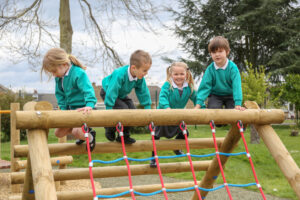
Learning a new skill does not always happen straight away. A child might struggle to balance along a trail, hesitate before climbing a frame or need several attempts to complete an activity.
These experiences can be valuable opportunities to develop perseverance and resilience.
For example, a child who steps off a balance beam before reaching the end can try again, adjust their approach or choose a simpler route until they feel more confident.
Minor bumps and grazes can also occur during normal childhood play. When an incident is minor, appropriate care and reassurance can help children recover and return to play when it is safe to do so.
The aim is to help children understand that making mistakes is part of learning, while ensuring their wellbeing always comes first.
The benefit: Children can develop perseverance, learn from experience and become more confident in tackling unfamiliar challenges.
5. Provide a variety of physical challenges
Children develop different skills through different types of play. Providing a variety of activities allows them to choose challenges that suit their interests, abilities and confidence levels.
For schools and nurseries, this might include:
- Trim trails: Encourage children to practise balancing, climbing, stepping and coordination.
- Climbing equipment: Give children opportunities to develop strength, spatial awareness and confidence.
- Stepping platforms: Encourage children to judge distances, coordinate their movements and find their balance.
- Adventure play equipment: Provide opportunities to explore different routes, heights and physical challenges.
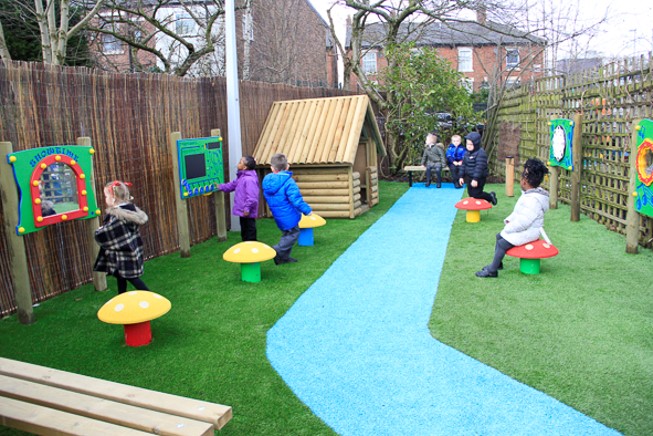
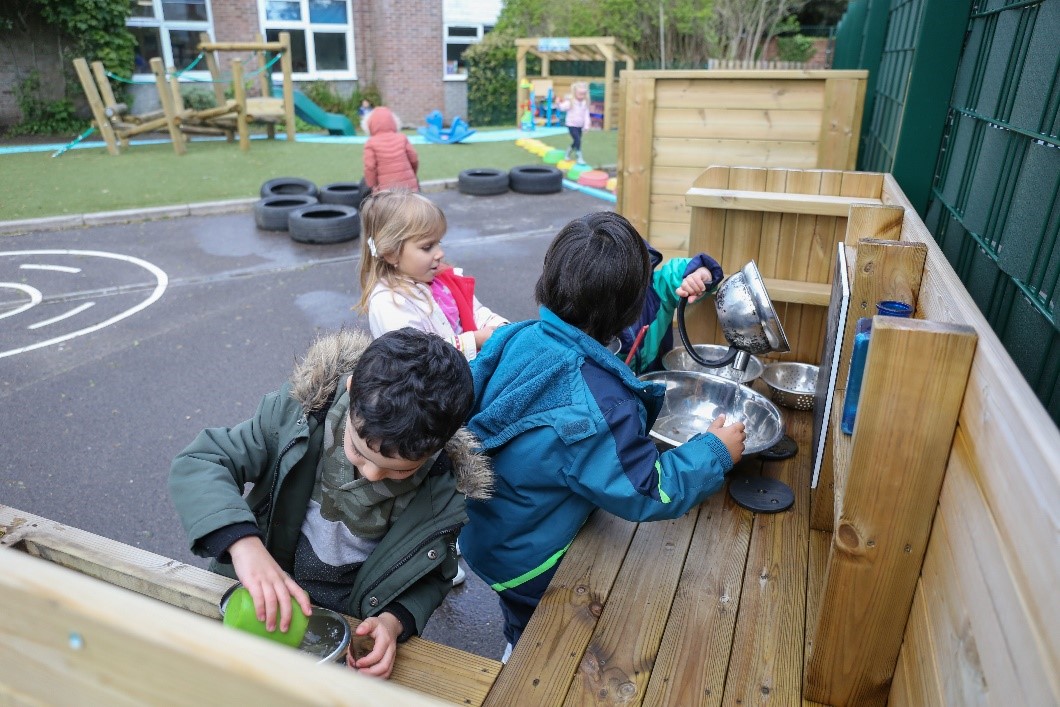
- Sensory play equipment: Offer additional ways to explore, interact and participate in outdoor play.
A varied playground should offer different levels of challenge, allowing children to start with activities they feel comfortable with and gradually try something more demanding.
Inclusive playground design is also important. Providing different ways to engage with equipment helps children with a range of abilities access meaningful play experiences.
The benefit: A diverse play environment supports physical development and encourages children to discover new skills at their own pace.
6. Encourage children without putting pressure on them
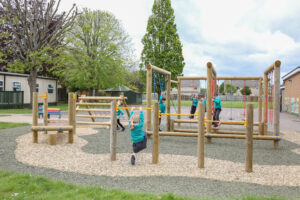
Some children will happily climb to the top of a frame, while others may prefer to watch before attempting something new. Both responses are normal. Adults can support children by offering encouragement, recognising their efforts and allowing them to decide when they are ready to try a challenge.
Simple questions such as “Would you like to try the next step?” or “How could you get across?” encourage children to think independently without making them feel pressured.
It is equally important to respect a child’s decision not to participate. The aim is to help children develop confidence through positive experiences, rather than making them feel that they must overcome every fear. Over time, opportunities to explore at their own pace can help children become more comfortable with unfamiliar activities.
The benefit: Children can develop self-belief and independence while learning to recognise and respect their own limits.
Why is risky play important in early childhood?
When introduced thoughtfully, risky play can support several important areas of children’s development.
Physical development
Climbing, balancing, jumping and navigating obstacles help children practise coordination, balance, strength and body awareness.

Confidence and independence
Overcoming a challenge can give children a sense of achievement. Having opportunities to make decisions during play can also help them become more independent.

Problem-solving skills
Children often need to work out how to climb an obstacle, navigate a trail or approach an unfamiliar activity. These experiences encourage them to think, experiment and adapt.

Resilience and perseverance
Not every attempt will be successful. Having the opportunity to try again can help children develop persistence and become more comfortable with making mistakes.

Risk awareness
When adults provide suitable opportunities for exploration, children can begin to recognise hazards, assess challenges and understand their own capabilities. Every child develops differently, and the benefits they experience will depend on their age, abilities, experiences and the opportunities available to them. Risky play should therefore be encouraged in a way that reflects each child’s individual needs.
Frequently Asked Questions About Risky Play in Early Childhood
What are examples of risky play in early childhood?
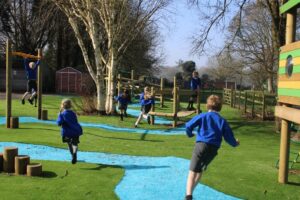
Examples include climbing suitable playground equipment, balancing along trim trails, jumping between low platforms and exploring different heights. These activities allow children to experience manageable challenges and develop physical confidence.
Why is risky play important for child development?
Risky play gives children opportunities to develop confidence, independence, coordination, problem-solving skills and an understanding of their own abilities.
How can schools encourage risky play safely?
Schools can provide age-appropriate playground equipment, suitable safety surfacing, appropriate supervision and regular inspections. A balanced approach allows children to experience meaningful challenges while foreseeable hazards are managed.
What is the difference between risky play and dangerous play?
Risky play involves manageable challenges that allow children to test their abilities and develop confidence in a supportive environment. Dangerous play, however, exposes children to hazards or situations where the potential for serious harm is unacceptable. The aim is to provide opportunities for children to explore and take appropriate risks while ensuring their safety and wellbeing remain a priority.
Create Opportunities for Safe, Challenging Outdoor Play with Playtime by Fawns
A well-designed playground gives children the freedom to explore, challenge themselves and develop confidence through play.
At Playtime by Fawns, we design, manufacture and install playground equipment for schools and nurseries, helping create engaging outdoor spaces that support children’s physical development, independence and enjoyment.
Whether you’re looking to introduce new climbing equipment, add a trim trail or transform your existing outdoor space, our team can help you explore suitable options for your setting.
Explore our playground equipment or contact the Fawns team to discuss your playground project.
What to Read Next
Primary School Playground Safety Standards: A Complete UK Guide
Who are Fawns?
We're the longest-established school playground equipment provider around - we know a thing or two about playground design.
With family-ran roots, schools, MATs, nurseries and parish councils trust us to create outdoor playgrounds with a purpose.


Other Blog Posts



We are the one-stop-solution for outdoor playground equipment for schools and parks across the UK.
Based in Hampshire, we pride ourselves on delivering high-quality, durable and innovative school playgrounds.
Fawns Recreational Services Limited - Company Registration Number: 03863973
Site Links
Contact
- 01252 515 199
- sales@fawns.co.uk
- Beech House, Ancells Business Park, Fleet, Hampshire, GU51 2UN

© Playtime By Fawns | 2026 website developed & maintained by digidoda
This site is protected by reCAPTCHA and the Google Privacy Policy and Terms of Service apply.