Learn More About...


Who are Fawns?
We're the longest-established school playground equipment provider around - we know a thing or two about playground design.
With family-ran roots, schools, MATs, nurseries and parish councils trust us to create outdoor playgrounds with a purpose.
The Evolution of British Public Parks
Public parks have been at the heart of British communities for generations. They’re where children make lifelong memories, families spend time together, and people of all ages enjoy the benefits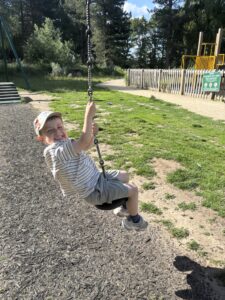 of spending time outdoors.
For parish councils and local authorities, public parks provide opportunities for exercise, social connection and recreation. Helping to improve both physical and mental wellbeing while creating spaces that bring communities together.
Although parks now feel like a permanent feature of towns and villages across the UK, they are a relatively recent part of British history.
The History of Public Parks
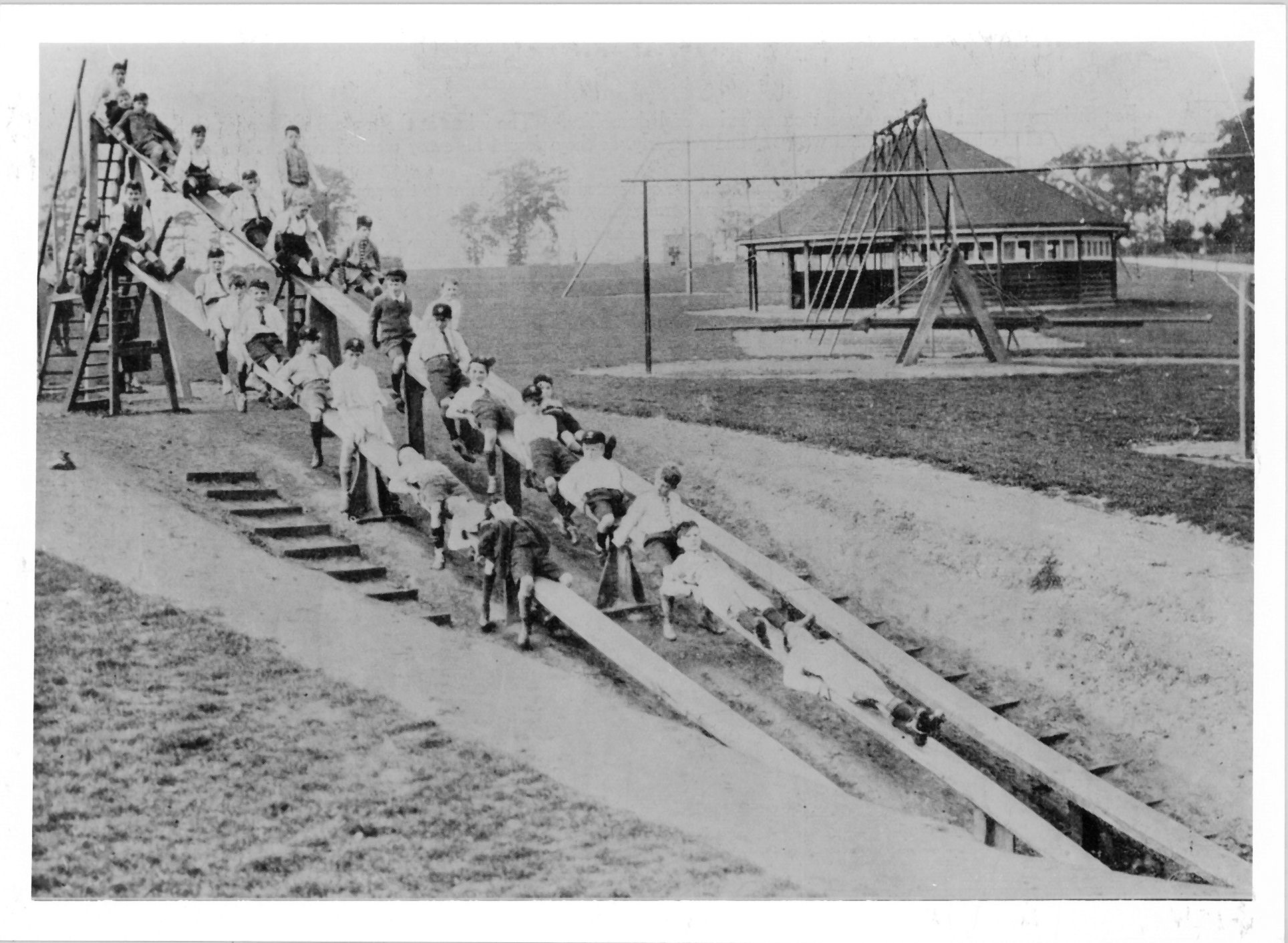
Britain’s first purpose-built public parks began to appear during the early and mid-19th century. This was as towns and cities began to expand during the Industrial Revolution. Growing urban populations often lived in overcrowded conditions with limited access to green space. This led local authorities to recognise the importance of parks for public health, recreation and civic pride.
One of the earliest examples was Princes Park in Liverpool, designed by Joseph Paxton in 1842. The park helped inspire the development of public parks across Britain. Landscaped green spaces, ornamental gardens, lakes, fountains and sports facilities gave people the opportunity to enjoy nature without leaving the city.
As Britain’s communities continued to grow throughout the early 20th century, local authorities increasingly invested in neighbourhood parks and recreation grounds. New housing developments often included public open spaces, while children’s playgrounds became a familiar feature as the importance of outdoor play was increasingly recognised. Even during the economic challenges of the 1930s, many councils continued to invest in parks as valuable community assets.
Wicksteed Park
One of the best-known examples from this period is Wicksteed Park, which opened in 1921. Created by engineer Charles Wicksteed, the park was designed to encourage children and families to enjoy active outdoor play. This was at a time when many parks were still formal spaces where games were discouraged. Charles Wicksteed went on to develop innovative playground equipment, helping to shape the modern playground. Today, Wicksteed Park remains an important part of Britain’s playground heritage and highlights how public parks have evolved from ornamental green spaces into places designed for recreation, wellbeing and community life.
How Public Parks Have Changed Since the 1970s
Like many local services, public parks experienced challenging years during the 1970s and 1980s as financial pressures led to reduced maintenance budgets. Play equipment aged, park buildings deteriorated and some public spaces became underused.
The 1990s marked the beginning of a renewed focus on Britain’s parks. Councils, local communities and organisations such as The Heritage Lottery Fund (now known as The National Lottery Heritage Fund) invested in restoring historic parks, improving playgrounds and creating more welcoming public spaces. These projects helped transform many neglected parks back into valued community assets.
Public parks have evolved significantly over the past 180 years, but their purpose remains unchanged: to provide welcoming spaces where communities can come together. As expectations continue to grow, parish councils are increasingly investing in parks that are inclusive, sustainable and built to serve future generations.
Why Public Parks Matter More Than Ever
Research consistently shows that access to high-quality green spaces is associated with improved mental health, increased physical activity and stronger community connections.
As communities continue to grow and lifestyles become increasingly busy, public parks are more important than ever. They provide accessible spaces where people can exercise, connect with nature and spend time together. For parish councils, investing in parks is an investment in community wellbeing, helping to create places that residents are proud to use and care for.
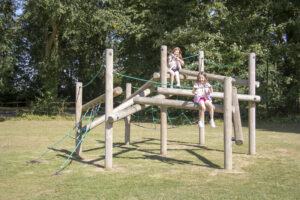
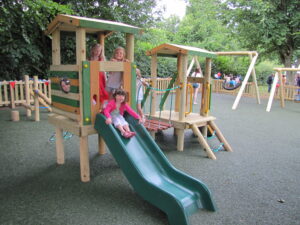
Many modern playgrounds are designed to support children’s development. Climbing equipment helps build strength and coordination, imaginative play develops creativity, while shared play experiences encourage communication, confidence and teamwork. Inclusive equipment also ensures children of all abilities can enjoy the benefits of outdoor play together.
Creating Public Parks for Future Generations
As community expectations continue to grow, creating safe, inclusive and sustainable public parks has never been more important. Investing in well-designed public parks helps ensure communities continue to benefit for generations to come.
At Fawns, we work with parish councils to design and install playgrounds that meet the needs of local communities. Whether you’re replacing ageing play equipment, creating an inclusive play space or developing a brand-new park, our experienced team can help bring your project to life.
Planning improvements to your local public park? Contact our team on 01252 515199 or request a copy of our latest brochure to explore our full range of play park equipment.
What to Read Next…
Getting Enough Outdoor Activity
Who are Fawns?
We're the longest-established school playground equipment provider around - we know a thing or two about playground design.
With family-ran roots, schools, MATs, nurseries and parish councils trust us to create outdoor playgrounds with a purpose.


Other Blog Posts




We are the one-stop-solution for outdoor playground equipment for schools and parks across the UK.
Based in Hampshire, we pride ourselves on delivering high-quality, durable and innovative school playgrounds.
Fawns Recreational Services Limited - Company Registration Number: 03863973
Site Links
Contact
- 01252 515 199
- sales@fawns.co.uk
- Beech House, Ancells Business Park, Fleet, Hampshire, GU51 2UN

© Playtime By Fawns | 2026 website developed & maintained by digidoda
This site is protected by reCAPTCHA and the Google Privacy Policy and Terms of Service apply.