
Learn More About...


Who are Fawns?
We're the longest-established school playground equipment provider around - we know a thing or two about playground design.
With family-ran roots, schools, MATs, nurseries and parish councils trust us to create outdoor playgrounds with a purpose.
12 ways to improve pupil activity levels and mental health
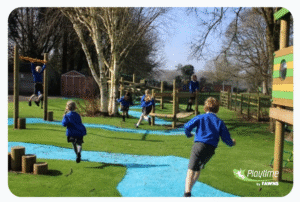
Children and young people today have declining levels of mental wellness. Good mental health and good levels of activity go hand in hand.
Your school pupils are growing up in the digital age. Their pastimes outside of school are undoubtedly different to yours when you were their age, with more time spent online and less time being active.
Activity levels for children have not increased in the last 5 years. Fewer teenagers are taking part in competitive sports, and less than half of all children are meeting the minimum floor of daily movement.
Supporting pupil mental health through physical activity opportunities is no longer a “nice to have”, it’s essential.
In this article, we share 12 short- and long-term ways to increase activity levels (and improve pupil mental health) at school. Simple-to-implement strategies to make a lasting impact on pupil wellbeing.
The link between movement and mental health
There is an ever-expanding bank of research and evidence to confirm what we already know to be true. Movement helps mental health. In a world full of social media pressures and sedentary hobbies, our children and young people are moving far less than their peers were even five years ago.
The benefits of outdoor play are endless:
- Improved concentration
- Positive body image
- Social skill development
- Resilience
- Reduction in obesity rates
- Emotional regulation
The list goes on. So, how do you ensure your pupils are moving enough without sacrificing the much-needed time to apply their new and existing learning in the classrooms?
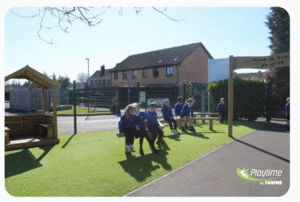
There are some quick movement wins, as well as overnight (almost) activity level increasers, that can be paired with a long-term physical activity strategy designed to build those Fundamental Movement Skills (FMS) that Ofsted is so keen on in their PE Curriculum Review.
The 7 quick-wins
There are lots of creative ways you and your PE Co-ordinator can increase pupil movement this academic year. The underlying message and direction for all of the short and long term plans for improving pupil movement levels has to be simple.
‘To improve pupil mental health, first they must move!’
1. Movement through dance breaks
Sometimes it’s the simplest ideas that stick. Regular dance breaks can be a powerful way to boost both energy levels and wellbeing across the school day.
Headteachers looking for an immediate impact should start by championing a culture of movement and fun, led by staff. We’ve seen great success where middle leaders take ownership, perhaps your PE lead or well-being coordinator, creating a bank of video links staff can access quickly.
Try rolling this out by year group first and gather feedback: What’s the mood like in class after a dance break? Are students more focused? Share positive stories in staff meetings to keep momentum going.
A quick Google Form or a post-it wall of pupil responses can help capture the difference it’s making, even within the first week.
2. Survey what’s on offer
A quick action schools can take right now is to audit their current sports and movement offer.
What’s actually being provided, and who is engaging with it?
Your PE Coordinator can start by speaking with the School Council, gathering their thoughts on current PE lessons and after-school options. From there, a whole-school pupil voice survey can offer crucial insights.
Are there enough non-competitive activities on offer? Do pupils feel confident participating? You might be surprised at the small shifts that could lead to big increases in participation.
3. Introduce the Daily Mile
The Daily Mile remains one of the most impactful yet flexible ways to build movement into your school day.
It doesn’t need to be a whole-school relay at 10:15 am sharp. Instead, give class teachers the autonomy to choose when a quick 10–15 minute run, walk, or jog best fits their timetable, after a tricky maths lesson, before lunch, or right at the start of the day.
Many schools choose to install a Daily Mile Track as a permanent feature of their playground, but a few cones and a stopwatch can work just as well to get started. One primary school we worked with gave a different child each day a step tracker, challenging them to get as many steps as possible, simple, cheap, and incredibly motivating.
4. Rethink your club offer (and empower Year 6 leaders)
Morning and after-school clubs are often an untapped potential when it comes to physical activity.
Freshen up your offer by introducing a couple of non-traditional or non-competitive options: think yoga, dance fit, or outdoor circuits.
If you’re not already doing so, look at introducing a Sports Leadership Award for your Year 6 pupils. Many schools successfully train small groups of older pupils to run lunchtime activities for younger children, building confidence and responsibility at both ends.
5. Audit your playground equipment
When was the last time you audited the active play opportunities available on your playground?
Ofsted’s PE review raised concerns about children’s fundamental movement skills, and playground time is one of the easiest ways to address this.
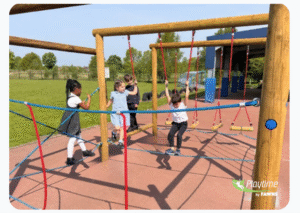
Does your current equipment support balance, coordination, agility, and social skills?
Consider how often equipment is used, who is using it, and for how long. If the answer is “not much” or “the same pupils every time,” it might be time for a change.
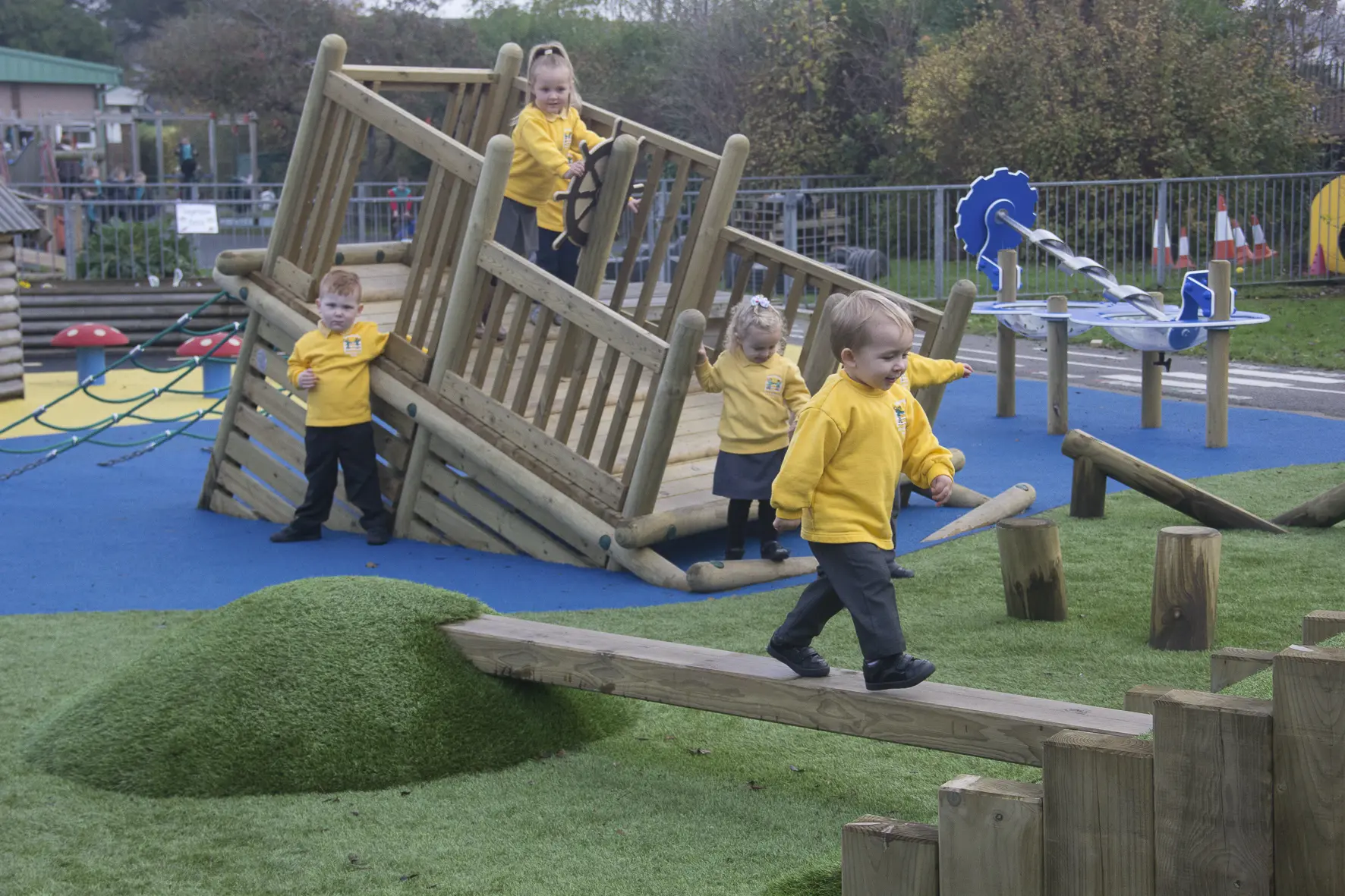
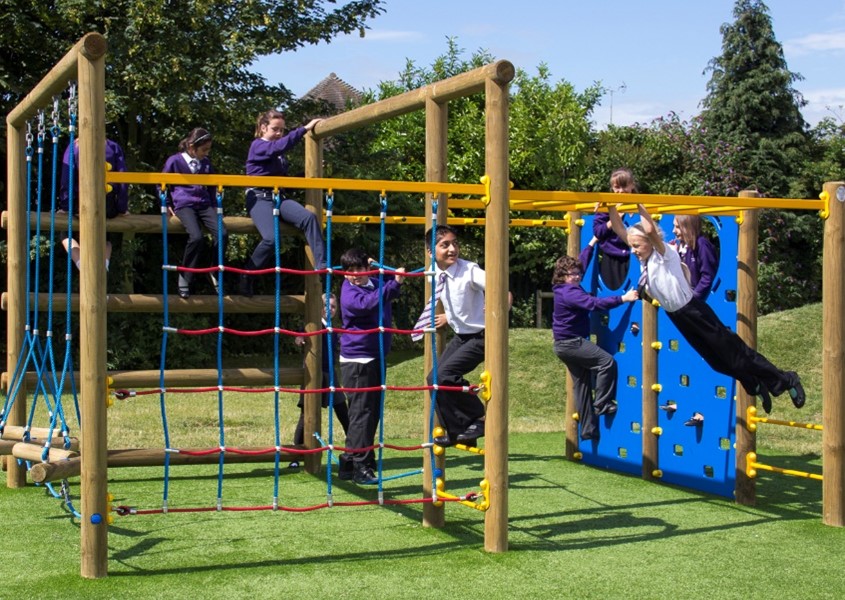
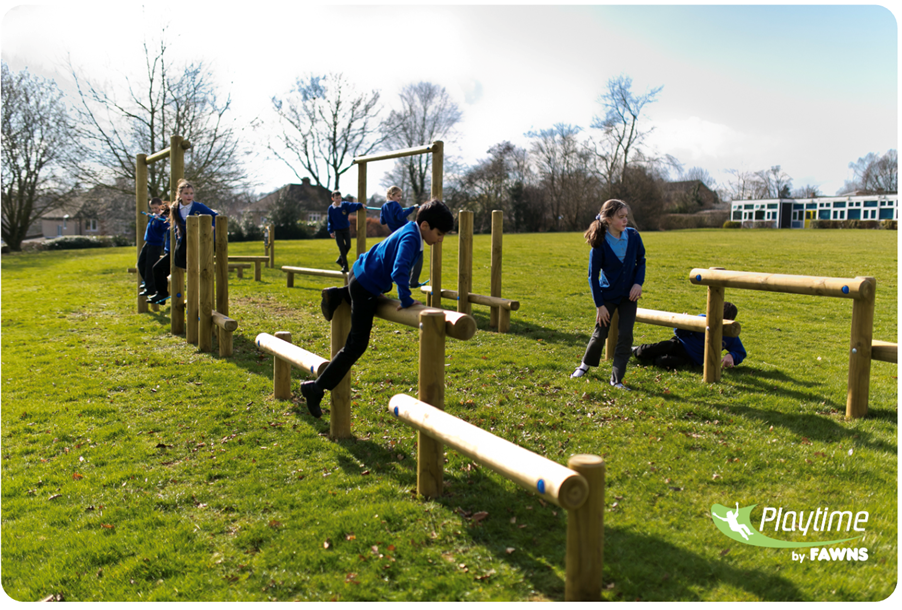
Trim trails are a great solution. They’re versatile, fun, and quick to install. A Trim Trail investment can transform your outdoor offer, and installation can take as little as two days.
6. Breakfast club can be active too
If you’re part of the government’s breakfast initiative, or even if you’re not, consider how that time can include a dose of movement alongside toast and juice.
A quick rethink of staffing rotas might free up someone to run a simple “Morning Gym” on the playground. No complex planning or special kit, just music, and your playground equipment.
Starting the day with physical activity not only supports mental health but sets a calm, focused tone for learning.
7. Stagger access to outdoor space
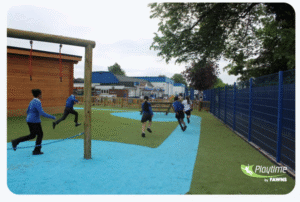
Finally, one of the fastest ways to increase activity is simply reviewing how and when pupils access your outdoor space.
Can you stagger break or lunch by even 10 minutes to give smaller groups more freedom to play?
Less crowding means less overwhelm, especially for pupils who might be anxious or less physically confident. Make sure every year group gets time on your MUGA pitch or outdoor gym, if you have one, and rotate access fairly.
A quick adjustment in the timetable can open up huge new opportunities for movement and inclusion, improving your SEND provision in your mainstream setting.
5 long-term plans to improve pupil activity levels and mental health
And onto the strategic side of improving pupil wellbeing. As a school leader, strategic planning is your happy place. So, with that in mind, here are 6 long-term plans you and your leadership team can discuss to improve your pupils’ activity levels and mental health this academic year.
1. Maximise your outdoor space (even the unloved corners)
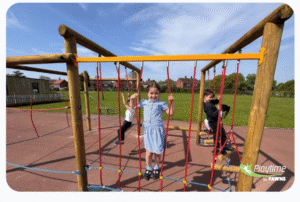
Longer-term impact often starts with a shift in mindset: seeing every part of your outdoor space as an opportunity. That patch of tarmac no one uses? It could be transformed into a sensory-rich zone or a focused activity area with the right equipment.
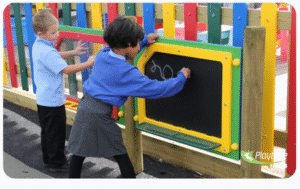
Many schools we work with have turned previously unused corners into hubs of movement and wellbeing with features like Multi-Use Games Areas, Trim Trails, or sensory play panels.
These zones aren’t just for high-energy activity. They’re powerful tools for SEND interventions too. The right equipment can provide sensory circuits or help pupils rehearse social skills in a safe, low-pressure space.
2. Create zoned playgrounds for inclusive play
One of the top five things SENDCos consistently look for in inclusive play environments is zoning.
By clearly dividing your outdoor space into areas, for example, allocating football or basketball to one designated zone, you reduce the risk of injury, overcrowding, and social conflict.
It’s a subtle shift that instantly creates safer, calmer spaces where all children can thrive. Zoning also allows for differentiated use: one area might offer structured team sports, while another could focus on imaginative play or sensory-rich quiet zones.
3. Plan ahead to secure funding for your dream project
Transforming your playground doesn’t happen overnight, but starting with a vision makes all the difference.
Begin by outlining your dream project: What do your children need most? What impact would it have on mental health and engagement? Our team can support you in planning ahead.
Having your project scoped out and quoted makes it easier to apply for funding and plan your fundraising journey. You can also move quickly once you’ve secured the funds for your dream playground.
Schools that plan early often secure better installation dates, too. Whether you’re six weeks or six months from lift-off, we’re here to help.
4. Invest in CPD for midday supervisors
Your midday supervisors are often the adults with the clearest picture of how your outdoor space works day-to-day.
They also play a key role in spotting changes in children’s behaviour and supporting those who may be struggling.
Ongoing training can help them feel confident in encouraging active, inclusive play while being tuned into signs of poor mental health. Training on how to lead games, de-escalate social challenges, or support children with additional needs can elevate lunchtime from ‘free time’ to a meaningful wellbeing opportunity.
5. Expand outdoor learning with purpose-built spaces
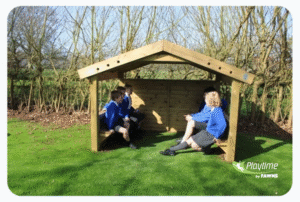
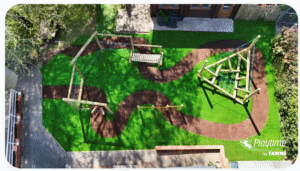
Outdoor learning isn’t just for Forest School or the occasional science lesson. Investing in outdoor classrooms and sun-shaded areas gives staff the flexibility to teach outdoors more frequently, without being weather-dependent.
These spaces allow for calmer, quieter learning while still reaping the mental health benefits of being outdoors. You could even consider free-flow play spaces that support EYFS pupils in transitioning to more independent learning.
Every outdoor structure is a chance to rethink how your space supports both wellbeing and engagement.
How can Fawns help?
At Playtime by Fawns, we’ve been walking this journey with schools for over 35 years.
We know how much a well-designed outdoor space can change a school. From boosting physical activity to building resilience, improving behaviour, and giving every child a space where they feel seen and safe.
Whether you’re reworking your whole playground or starting small with a new trail or quiet zone, we’re here from the first idea to the final tidy-up.
Get in touch with our team to take the first steps to your new play space.
More articles you’ll like:
Creating Amazing Playgrounds: A Guide for Schools
Who are Fawns?
We're the longest-established school playground equipment provider around - we know a thing or two about playground design.
With family-ran roots, schools, MATs, nurseries and parish councils trust us to create outdoor playgrounds with a purpose.


Other Blog Posts


We are the one-stop-solution for outdoor playground equipment for schools and parks across the UK.
Based in Hampshire, we pride ourselves on delivering high-quality, durable and innovative school playgrounds.
Fawns Recreational Services Limited - Company Registration Number: 03863973
Site Links
Contact
- 01252 515 199
- sales@fawns.co.uk
- Beech House, Ancells Business Park, Fleet, Hampshire, GU51 2UN

© Playtime By Fawns | 2026 website developed & maintained by digidoda
This site is protected by reCAPTCHA and the Google Privacy Policy and Terms of Service apply.