Learn More About...


Who are Fawns?
We're the longest-established school playground equipment provider around - we know a thing or two about playground design.
With family-ran roots, schools, MATs, nurseries and parish councils trust us to create outdoor playgrounds with a purpose.
Creating a Reception Outdoor Area for EYFS Transition
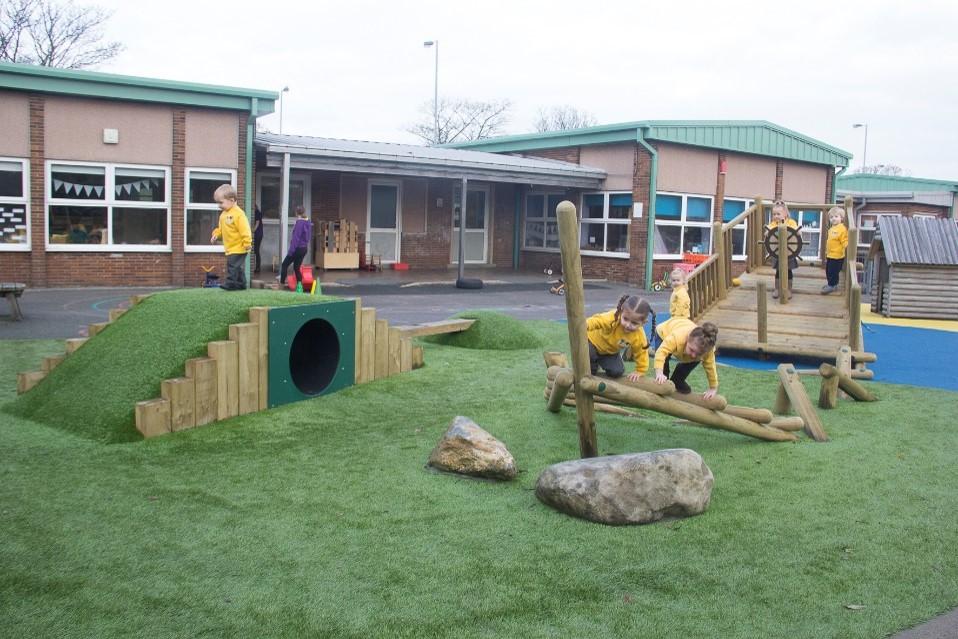
A well-designed reception outdoor area gives children the opportunity to continue learning through play while developing the confidence and independence they’ll need throughout their first year at school. As children make the exciting transition from nursery to reception, familiar outdoor environments can help them feel secure while encouraging exploration, creativity and school readiness. While it’s an exciting step, it also brings significant change and for many children, these changes can feel overwhelming, making the transition period crucial for building confidence and helping them feel safe.
A reception outdoor area can play a vital role in easing this transition. By providing familiar opportunities for play, exploration and discovery, well-designed outdoor spaces bridge the gap between nursery and school life. They allow children to continue learning through play while gradually developing the skills and confidence they’ll need as they settle into reception.
Why the Transition to Reception Matters
The move from nursery to reception is about much more than changing classrooms. Children are adapting to new teachers, making new friendships and becoming more independent in their daily routines. While every child develops at their own pace, the transition can have a lasting impact on how they view school and learning.
Maintaining opportunities for child-led play during this period is essential. Outdoor environments offer a familiar setting where children can continue to explore, experiment and learn in ways that feel natural to them. They provide continuity between nursery and reception, helping children feel comfortable while gradually introducing new experiences and expectations.
Encouraging Independence Through Outdoor Learning
One of the key goals of the reception year is developing independence, and outdoor learning provides countless opportunities for children to practise this naturally. Unlike more structured classroom activities, outdoor spaces encourage children to make decisions, solve problems and take ownership of their learning.
Whether deciding which activity to explore or working out how to complete a physical challenge, children are constantly developing decision-making skills. Children also learn to use equipment correctly, work collaboratively and develop resilience when things don’t go to plan.
Supporting All Seven Areas of Learning
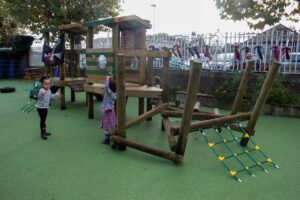
The Early Years Foundation Stage (EYFS) framework identifies seven areas of learning and development, all of which can be supported through well-designed outdoor learning environments. By providing children with opportunities to explore, investigate and play, outdoor spaces become an extension of the classroom, helping children develop the knowledge, skills and confidence they need as they transition into reception.
Personal, Social and Emotional Development
Outdoor play encourages children to build friendships, work together and develop confidence in social situations. Whether they’re taking turns on climbing equipment, creating imaginative games or solving challenges together, children learn valuable skills such as cooperation, resilience and empathy. Having the freedom to make choices and take manageable risks also helps develop independence and self-confidence.
Communication and Language
An outdoor environment provides endless opportunities for meaningful conversations and language development. Children naturally ask questions, describe what they see and explain their ideas while exploring. Activities such as role play, storytelling areas and nature investigations help expand vocabulary, improve listening skills and encourage children to communicate with confidence in a range of situations.
Physical Development
Children to move freely while developing essential gross motor skills, coordination, balance and strength when in an outdoor environment. Equipment such as Climbing frames and trim trails encourage children to challenge themselves physically while improving spatial awareness and confidence. These experiences also help develop the core strength and coordination needed for everyday classroom activities such as sitting comfortably, writing and concentrating.
Literacy
Outdoor learning can inspire a love of reading and writing by bringing literacy to life. Storytelling spaces, outdoor reading corners and imaginative role play encourage children to engage with books and language in a fun environment. Activities such as mark making, creating signs for role play areas or writing nature journals help children understand that reading and writing have real-life purposes beyond the classroom.

Mathematics
The playground is full of opportunities to develop early mathematical understanding. Children naturally count, measure, compare and solve problems during play, whether they’re building structures, following obstacle courses or collecting natural materials. Playground markings, numbered stepping stones and construction activities also encourage children to explore patterns, shapes, quantities and positional language through hands-on experiences.
Understanding the World
Sparking curiosity and encouraging children to investigate the world around them is best achieved outdoors. Nature areas, sensory gardens and wildlife habitats provide opportunities to observe seasonal changes, care for living things and explore different materials. Construction play and investigations also encourage children to ask questions, experiment and develop problem-solving skills as they discover how things work.
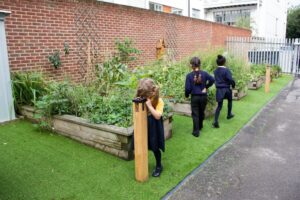
Expressive Arts and Design
Outdoor spaces inspire creativity by giving children the freedom to use their imagination on a larger scale. Performance stages, role play areas, music panels and open-ended play resources encourage children to tell stories, create performances, build imaginative worlds and express themselves. Flexible outdoor environments allow children to explore their own ideas while developing confidence in creative expression.
By supporting all seven areas of learning, outdoor environments provide children with a well-rounded foundation for starting reception. Thoughtfully designed playgrounds encourage children to develop academically, physically, socially and emotionally through meaningful play.
Designing an Outdoor Space That Supports School Readiness
An effective reception outdoor area should offer a variety of experiences that cater to different interests, abilities and learning styles. Rather than focusing on a single type of play, the space should encourage children to move freely between active, creative, imaginative and quiet activities.
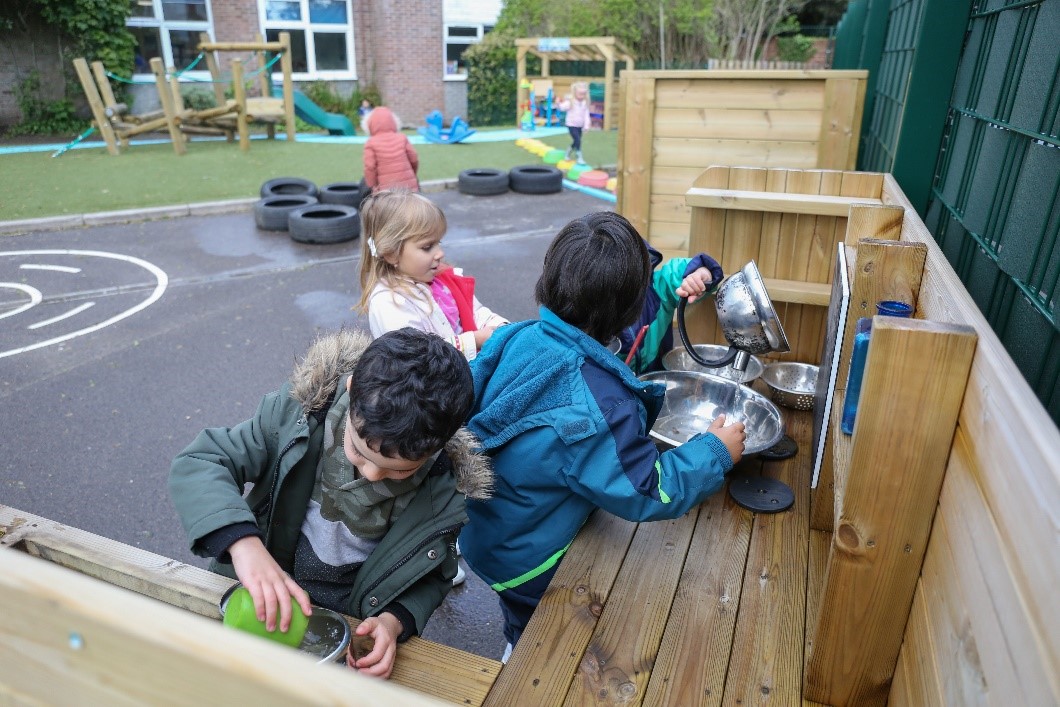
Clearly defined zones can help children recognise how different areas can be used while creating opportunities for independent exploration. Natural features such as planters, logs and mud kitchens inspire curiosity and connect children with the environment. While open-ended resources encourage creativity by allowing children to invent their own games and challenges.
Accessibility should also be considered from the outset, ensuring that every child can participate comfortably regardless of their abilities.
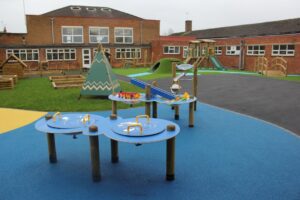
Choosing the Right Equipment for a Reception Outdoor Area
A well-designed reception outdoor area should include a variety of equipment that supports all aspects of children’s development while encouraging learning through play.
Consider including:
- Climbing Frames – Equipment such as the EYFS Towers, Pick Up Sticks and Young Explorers provide children with opportunities to develop strength, balance and coordination while building confidence through active play.
- Sensory Play – Features such as sensory panels, musical panels and planters stimulate curiosity and support children with different learning needs.
- Role Play Areas – Encourage imagination, communication and social interaction as children explore real-life scenarios through creative play.
- Mark Making Panels – Provide opportunities for drawing, writing and practising early literacy skills in an engaging outdoor environment.
- Outdoor Classrooms – Extend learning beyond the classroom, creating flexible spaces for storytelling, group activities and curriculum-based lessons.
- Moveable Equipment – Items such as physical development blocks, crates and moveable trails encourage creativity, teamwork and problem-solving by encouraging children to build, create and invent their own play experiences.
By combining a range of play opportunities, schools can create a reception outdoor area that supports all seven areas of learning while helping children build confidence, independence and a lifelong love of outdoor learning.
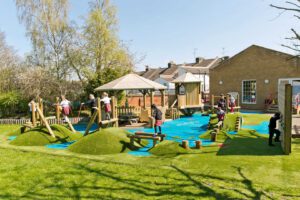
Helping Every Child Feel Ready for Reception
The transition from nursery to reception is about building confidence as much as developing academic skills. A thoughtfully designed outdoor learning environment gives children the opportunity to explore, play and learn in ways that feel familiar while preparing them for the new experiences that lie ahead.
By combining active play, imaginative learning and peaceful spaces for reflection, schools can create environments that support every aspect of children’s development. When children feel safe, engaged and confident in their surroundings, they’re far more likely to embrace their new school journey with enthusiasm and curiosity.
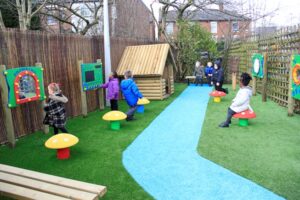
How Can Fawns Help?
Planning a reception outdoor area or nursery outdoor learning environment? At Fawns, we design, manufacture and install inspiring outdoor learning environments that support children’s transition into school while promoting active play, creativity and confidence.
Contact our team today to discover how we can transform your outdoor space into an engaging environment that supports learning, development and school readiness.
What to Read Next
Who are Fawns?
We're the longest-established school playground equipment provider around - we know a thing or two about playground design.
With family-ran roots, schools, MATs, nurseries and parish councils trust us to create outdoor playgrounds with a purpose.


Other Blog Posts




We are the one-stop-solution for outdoor playground equipment for schools and parks across the UK.
Based in Hampshire, we pride ourselves on delivering high-quality, durable and innovative school playgrounds.
Fawns Recreational Services Limited - Company Registration Number: 03863973
Site Links
Contact
- 01252 515 199
- sales@fawns.co.uk
- Beech House, Ancells Business Park, Fleet, Hampshire, GU51 2UN

© Playtime By Fawns | 2026 website developed & maintained by digidoda
This site is protected by reCAPTCHA and the Google Privacy Policy and Terms of Service apply.